
Stanislaus County Voter Status Lookup
The California Secretary of State's My Voter Status tool is the first stop for a Stanislaus County voter checking a personal record. It can confirm whether the voter is registered, the name and address on file, political party preference, language preference, vote-by-mail or provisional-ballot status, and polling or vote-center details. The lookup verifies identity. It is not an open name search and does not expose a countywide voter roll.
| Lookup field | Input | Need | How it is used |
|---|---|---|---|
| First name | Text | Required | Use the name on the registration. |
| Last name | Text | Required | Use the registered surname. |
| Date of birth | Date | Required | Enter month, day, and year. |
| California driver license or ID | Text | Conditional | Acts as an identity check. |
| Last four digits of SSN | Text | Conditional | Alternative verifier when no California ID is used. |
| County | Dropdown | As prompted | Select Stanislaus County if the tool requests it. |
Enter the details as they appeared when the voter last registered, submit the check, and review the returned address, party, language, and ballot information. If the tool cannot match the data, contact the county office instead of trying other people's identifiers. The state registration-status page also explains the available results and directs voters to their county elections office.
Note: Private identity fields let the state return personal registration details without turning the lookup into a public voter directory.
StanVote Voter Registration Services
The Stanislaus County Registrar of Voters works from the Clerk-Recorder office at 1021 I Street, Suite 101, Modesto, CA 95354. Staff can be reached at (209) 525-5200, at (209) 525-5230 for Spanish service, or toll-free at (833) 772-2260. TTY service is available at (833) 646-2136. The counter is open Monday through Friday from 8 a.m. to 4 p.m.
StanVote connects a voter to ballot information, sample ballots, vote-by-mail tracking, provisional-ballot status, vote centers, drop boxes, and registration tools. Its county voter registration page also covers conditional registration. For the Remote Accessible Vote by Mail route, call (209) 525-5201 and ask for the voter registration supervisor, or call the Spanish line at (209) 525-5230. RAVBM is not online voting. The voter prints the ballot and returns it by mail or hand delivery.
The county's registration page is visible in the official StanVote source.
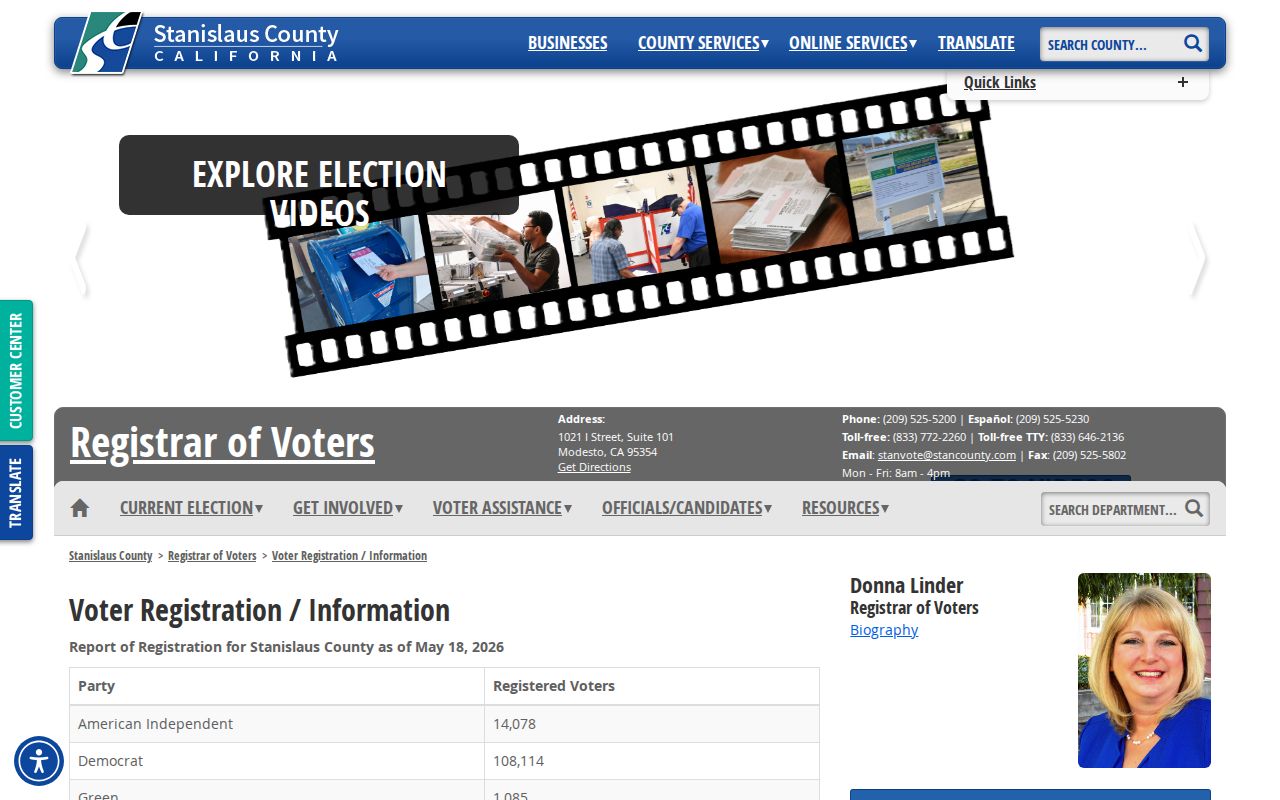
It provides the local path when the statewide status tool does not resolve a registration issue, and pre-election county mail offers another chance to spot an error.
Stanislaus County Voter Record Fields
A California registration record can hold far more than the My Voter Status results show. Internal fields support election administration, district assignment, ballot delivery, and list maintenance. An approved extract is narrower. It omits confidential voters and protected data. Availability depends on the lawful purpose and the scope approved by the Secretary of State.
| Name and addresses | Registered name plus residence and mailing addresses, subject to protected-voter exclusions. |
|---|---|
| Registration details | Registration date, county, party preference, and language preference. |
| Election geography | Precinct and assigned election districts. |
| Ballot and participation | Vote-by-mail status and which elections included participation, never the choices marked. |
| Record status | Active, inactive, or cancelled. |
| Protected internal fields | Identifiers, full birth date, signature, and contact data where supplied. |
Voting history means participation only. No official voter record reveals how a person voted. That line matters for family research, civic study, and any attempt to interpret a voter-file entry.
Stanislaus County Voter Privacy Rules
The common myth is that a voter affidavit becomes a casual public directory once it reaches the elections office. California law says otherwise. Elections Code section 2194 keeps affidavit information off terminals, lists, and other media routinely available to the public. Sections 2188, 2188.2, and 2188.5, Government Code section 7924.000, and state access regulations control approved releases and data security.
Confidential by California law. Driver license and state ID numbers, Social Security numbers, other unique identifiers, full birth dates, signatures, and protected addresses are not routine public fields. Safe at Home participants and protected officials or candidates receive added address safeguards.
The official voter-data access regulations show that access comes with duties, not a right to republish a raw file.
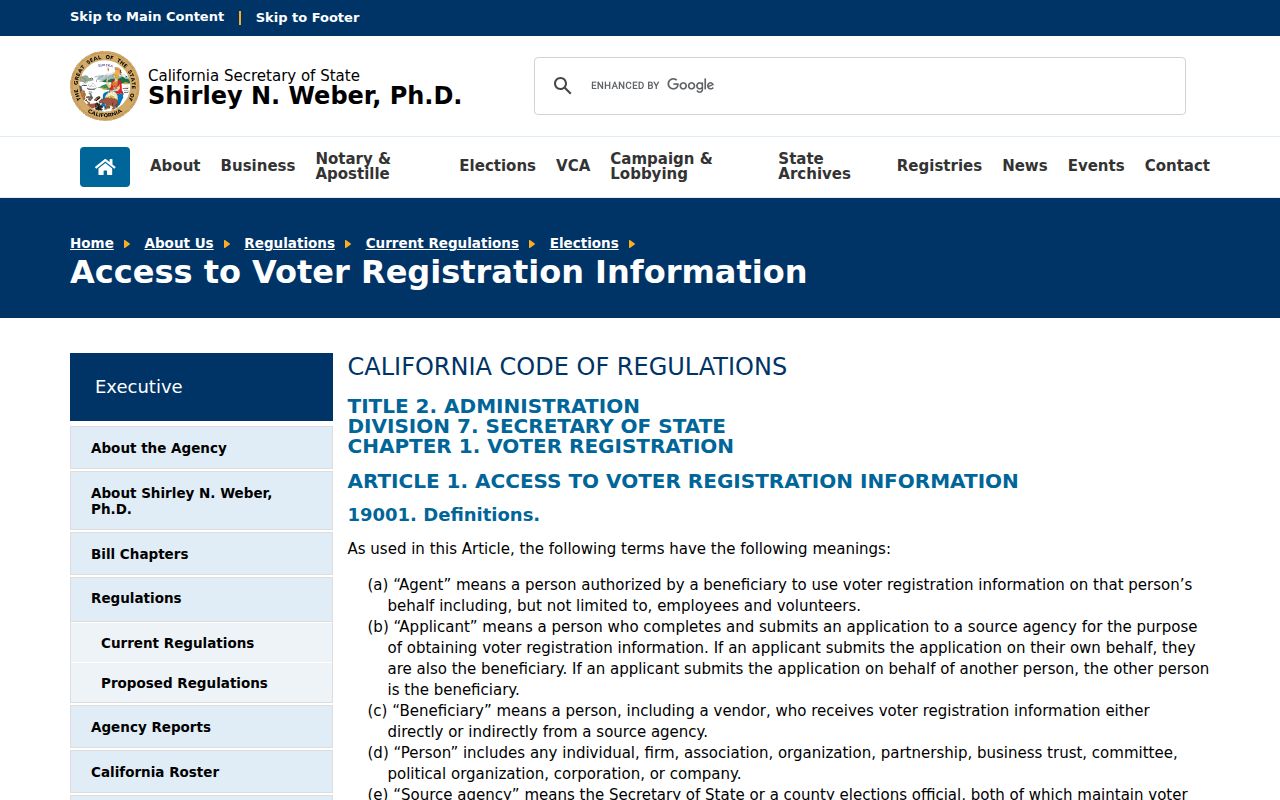
Those rules govern applicants, beneficiaries, vendors, security controls, and incident reporting after a file is released.
Stanislaus County Safe at Home Voters
California Safe at Home supplies a substitute mailing address for eligible people who face safety risks. Eligible groups include survivors of domestic violence, stalking, sexual assault, human trafficking, and elder or dependent-adult abuse, along with certain workers who fear for their safety. The program is most effective as one part of a broader safety plan.
When used correctly, the substitute address can shield a participant's residential address in voter records and other public files. A Stanislaus County participant should work through program instructions and the Registrar rather than placing a sensitive home address into a general inquiry.
The Secretary of State describes eligibility and enrollment on the Safe at Home program page.
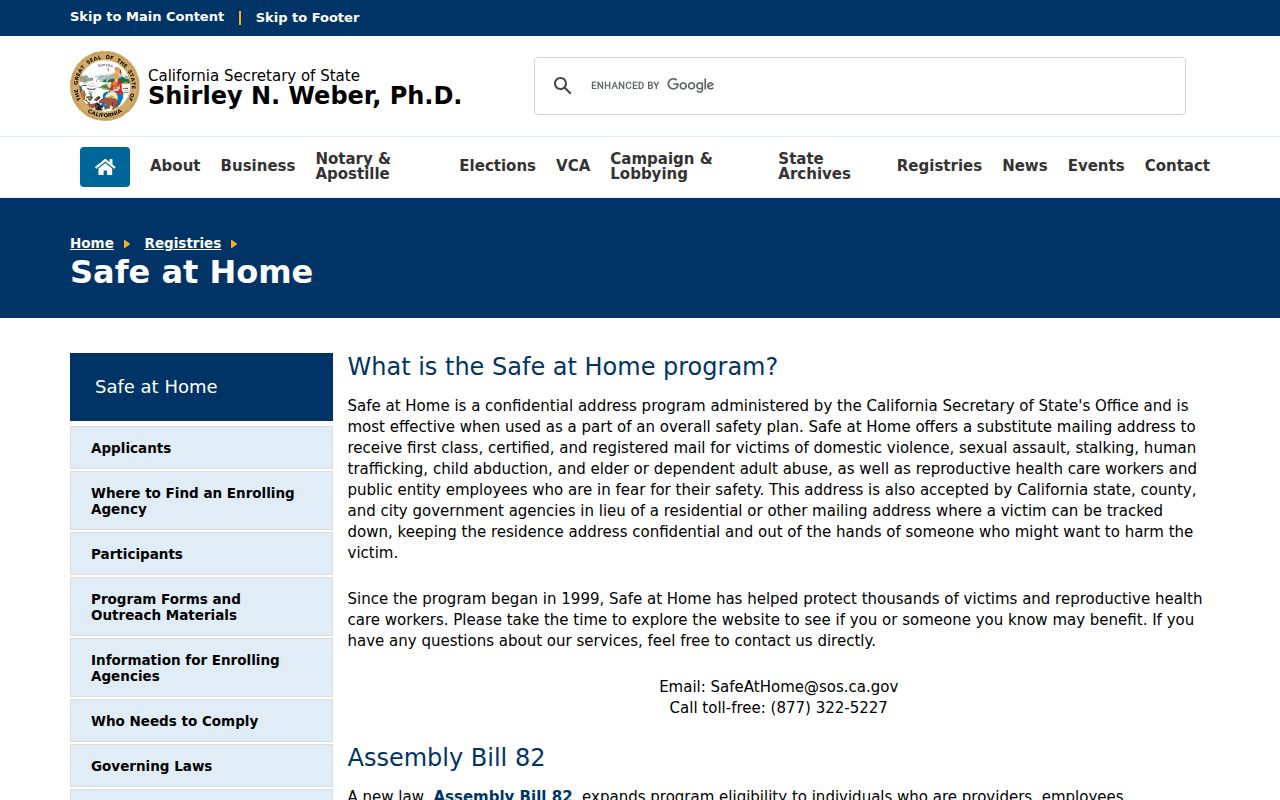
The program explains why an approved voter file can exclude an address that might otherwise seem relevant to an election record.
Requesting Stanislaus County Voter Files
A person seeking a non-confidential extract must use the California Voter Registration File Request process. Access is limited to approved election, governmental, scholarly, journalistic, or political purposes. The application asks who will use the data, who benefits, what geography is needed, and how the file will be kept secure. A Stanislaus County-only scope should be stated clearly.
| Request stage | What the applicant supplies | Why it matters |
|---|---|---|
| Identity | Requester contact details and, when relevant, organization, beneficiary, vendor, or agent | Creates accountability for each recipient. |
| Purpose | A stated use that fits an allowed category | Personal, private, and commercial uses are barred. |
| Scope | Statewide, county, or another defined extract | Limits the release to the needed geography. |
| Security | Signed use and security certifications | Sets storage, sharing, and incident duties. |
| Payment | The fee tied to the approved request type and size | Fees vary by approved request type and file size. |
A separate process applies to confidential contact requests for certain officials and candidates. For a qualifying bona fide journalistic or governmental request, the state lists $15 per thousand records, capped at $100, for a statewide request. A single-voter request is $30 per record, capped at $100 and limited to ten records. Even then, only specified contact fields may be released; the rest remains confidential.
Note: General California public-record principles are summarized under Stanislaus County public records access, while voter files follow their own stricter election statutes.
Stanislaus County Voter Use Limits
Approval does not turn voter data into an unrestricted address list. Elections Code section 2194 bars personal, private, and commercial use. Title 2 regulations also control transfer, storage, and access by vendors or agents. An unauthorized use, security breach, or denial-of-service event involving voter data must be reported to the Secretary of State Elections Division Help Desk within 24 hours.
Use voter data lawfully. Never use an official file to stalk, threaten, harass, expose a protected person, or evade a program that keeps an address confidential. Misuse can lead to denied access and legal consequences.
California's general records law is not a shortcut around these voter rules. Government Code section 7922.535 shows the broader response framework for ordinary agency requests.
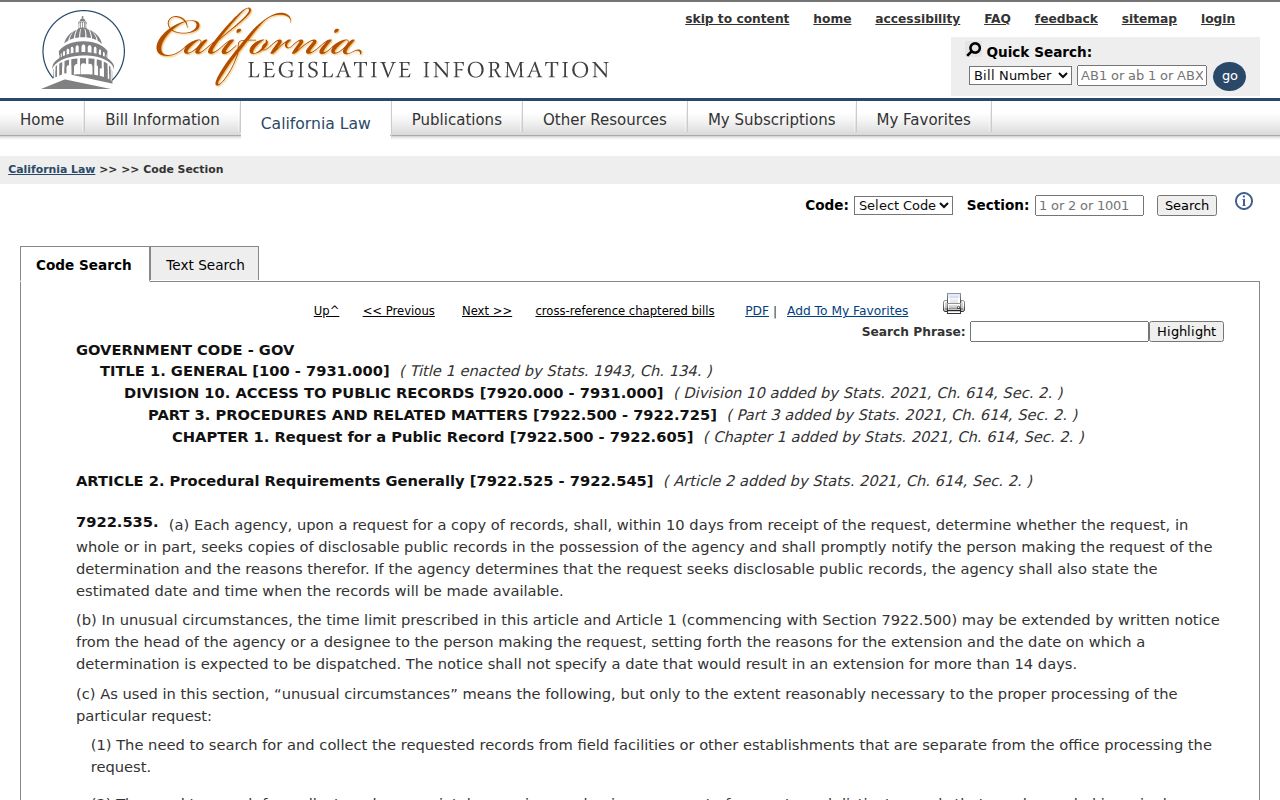
Voter affidavits and approved file extracts remain governed by the more specific Elections Code limits described above.
Stanislaus County Voter List Maintenance
A record can move from active to inactive after address-confirmation mail or election mail is returned. Cancellation follows statutory steps and may arise after federal-election cycles, a death record, a duplicate registration, a voter's request, or a disqualifying felony-imprisonment status change. An inactive entry does not by itself prove that the person moved away permanently.
Use My Voter Status first. Then ask StanVote to correct the registered name, address, party, language choice, or other voter registration detail when the returned record is stale. County tools also let voters track vote-by-mail and provisional ballots, which are distinct from the registration-status field.
Note: Stanislaus-specific cancellation totals were not verified in the research, so no local count should be inferred from a single status result.
Historical Stanislaus County Voter Gaps
No cited official source verifies an exact run of Stanislaus County poll books or voter registers. That gap is important. Current My Voter Status cannot serve as a historical name index, and modern voter rolls do not show how a person voted. Do not assign dates to an archive collection without catalog confirmation.
For an older resident, ask the county elections office, Stanislaus County Library Special Collections, and the California State Archives whether a poll book or register survives for the place and election at issue. Related archives can help bridge the gap. The State Archives lists Stanislaus naturalization records from 1856 to 1978, declarations of intention from 1854 to 1976, deeds from 1854 to 1902, probate from 1854 to 1941, and marriages from 1854 to 1920. Those sources can place a person in the county, but they are not substitutes for a verified voter entry.
Geography also matters. A Modesto mailing address may sit outside city limits or within overlapping school, irrigation, fire, and election districts. Historical research should identify the precinct and jurisdiction that existed in the relevant year before asking an archive to search.